

If you've ever driven over a pothole with worn-out shocks on your car, you know exactly what it feels like.
Every bump feels bigger.
The ride is rough.
Your joints work much the same way.
One of the biggest misconceptions I hear from patients is that arthritis is simply a "bone problem."
While the joint itself is important, many people overlook one of the best ways to protect it:
Strong muscles.
I like to think of your muscles as your body's built-in shock absorbers.
Every time you take a step, climb the stairs, stand up from a chair, or carry groceries, your muscles help absorb the force before it reaches your joints.
When those muscles become weak, your joints have to do more of the work.
Imagine carrying a heavy box with one person instead of four. One person quickly gets tired because they're carrying the entire load. But if four people share the weight, the job becomes much easier.
That's exactly what strong muscles do for your knees, hips, and shoulders. They share the workload.
As we get older, we naturally lose muscle if we don't use it. This process is called muscle loss with aging, and it often begins earlier than most people realize.
The good news is that muscle can be rebuilt at almost any age.
I've seen patients in their 60s, 70s, and even 80s become stronger and notice less pain after starting a simple strengthening program.
That's because stronger muscles improve more than just strength.
They improve balance.
They improve stability.
They improve confidence.
They even reduce the risk of falls.
Many patients tell me they avoid walking because they're afraid their knee will give out. Often, it's not just the arthritis causing that feeling. Weak muscles around the joint can make the knee feel unstable.
Strengthening those muscles can help restore confidence with every step.
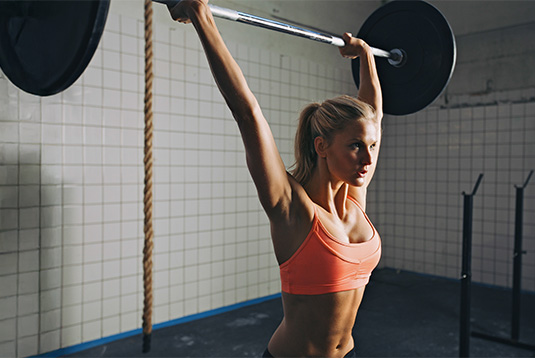
This doesn't mean you need to become a bodybuilder or spend hours in the gym.
Building muscle is like adding extra support beams to a house. The stronger the support, the less stress the walls have to handle.
Your joints are the same way.
One of the goals of the MOVE Method is to help build and maintain muscle throughout your lifetime.
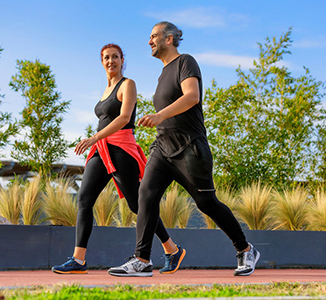
Strong muscles don't just help athletes. They help grandparents play with their grandchildren, parents keep up with their kids, and retirees continue traveling, gardening, golfing, and enjoying life.
The goal isn't bigger muscles.
The goal is healthier movement.
Practical Takeaway
Start where you are.
This week, choose one activity that helps build strength.
It might be standing up from a chair without using your hands ten times.
It might be climbing a flight of stairs instead of taking the elevator.
It might be performing simple exercises recommended by your physician or physical therapist.
Small improvements repeated consistently lead to big results.
Remember, every bit of strength you build is another layer of protection for your joints.
Strong muscles are one of the best investments you can make in your long-term health.
Because healthy joints don't work alone.
They work as part of a strong team.


