


Thanksgiving is one of the most enjoyable times of the year with family gatherings, travel, football, and of course, plenty of food.
But after the big weekend, many people feel sluggish, bloated, or stiff, especially if they’ve been sitting more than usual or skipped their normal workout routine. The good news? You can bounce back quickly with a few smart habits that support joint health, lower inflammation, and help you regain your energy.
Whether you’re an athlete, a weekend warrior, or someone managing arthritis or chronic joint pain, these simple post-Thanksgiving recovery strategies can help you feel your best again.
Why You Feel Sore or Sluggish After Thanksgiving
Even in warm, humid Houston, it’s common for people to notice more stiffness and soreness this time of year.
Common reasons include:
1. Overeating inflammatory foods.
Holiday meals often include foods high in sugar, salt, and saturated fat, which can trigger inflammation and worsen joint pain especially if you have arthritis.
2. Sitting for long periods.
Traveling, watching football, or lounging with family can lead to tight hip flexors, low-back stiffness, and reduced circulation.
3. Disrupted exercise routines.
Skipping workouts even for a few days can cause muscles to tighten and joints to feel “rusty.”
4. Dehydration.
Salty foods and holiday drinks can leave you dehydrated, making joints feel less lubricated and more painful.
Step 1: Hydrate and Reduce Inflammation
Start the week by drinking plenty of water to flush out excess sodium and support joint lubrication.
Adding anti-inflammatory foods can help your body recover faster. Choose:
- Leafy greens
- Berries
- Salmon
- Olive oil
- Nuts
- Turmeric or ginger
These foods help reduce swelling and stiffness that may flare after a heavy holiday meal.
Step 2: Move Gently, but Consistently
Don’t jump into an intense workout immediately. Begin with:
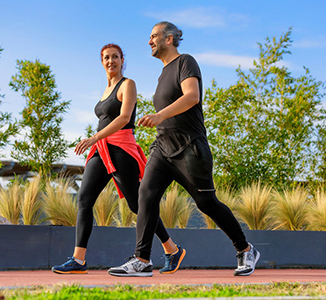
- A 20–30 minute walk
- Light stretching
- Mobility exercises
- Cycling or swimming
Gentle movement increases blood flow, improves flexibility, and helps your body reset without overloading your joints or muscles.
Step 3: Try a Short Strength Routine
Once your body feels ready, add a simple strength circuit:
- Bodyweight squats
- Glute bridges
- Planks
- Wall push-ups
- Resistance band rows
Strength training supports your knees, hips, and shoulders especially important if you’re managing arthritis or old injuries.
Step 4: Prioritize Sleep and Stress Control
Holiday travel and family gatherings can disrupt your sleep schedule. Aim for 7–8 hours per night to reduce inflammation and improve recovery.
Deep breathing or short meditation sessions can also support relaxation and joint health.
Step 5: Know When to Seek Expert Help
If pain or stiffness lasts more than a few days or prevents you from returning to normal activities, it may be time for an evaluation.
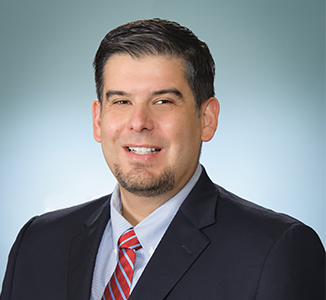
At CLS Health Orthopedics & Sports Medicine, Dr. Javier Rios M.D. provides non-surgical treatments including shockwave therapy, ultrasound-guided injections, PRP, and individualized exercise plans to help patients recover quickly and safely.
Ready to get back on track after the holidays?
Schedule your visit with Houston's Nonsurgical Orthopedic & Sports MD, Dr. Javier Rios M.D. at CLS Health Orthopedics & Sports Medicine today.


