

Sports injuries are frustrating, not just because they hurt, but because they interrupt your routine, your workouts, and your lifestyle.
In Houston, where active adults stay busy year-round, one of the most common questions I hear is:
“How can I heal faster?”
While medical treatment is important, recovery doesn’t happen in the clinic alone. The way you eat, sleep, move, and manage stress has a major impact on how quickly your body heals from sports injuries.
Here are the most important lifestyle habits that speed up recovery and help prevent re-injury.
1. Prioritize Protein for Tissue Repair
After an injury, your body needs raw materials to rebuild muscle, tendon, and ligament tissue.
Protein provides the amino acids required for healing.
Aim for high-quality protein at every meal, especially:
- Lean meats
- Eggs
- Greek yogurt
- Protein shakes
- Fish
Under-eating protein is one of the most common reasons athletes heal slower than expected.
2. Keep Moving (But Move Smart)
Complete rest often delays recovery.
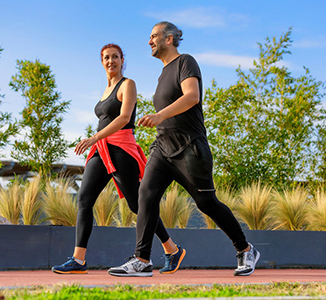
Gentle, pain-free movement improves circulation, reduces stiffness, and prevents muscle loss.
This could include:
- Walking
- Stationary cycling
- Pool workouts
- Physical therapy exercises
The key is guided movement, not pushing through pain. Pain that worsens after activity is a sign you need a more tailored plan.
3. Sleep Is Your Secret Weapon
Healing hormones are released during deep sleep.
If you’re sleeping less than 7 hours per night, your recovery will slow dramatically.
Poor sleep is linked to:
- Increased inflammation
- Delayed muscle repair
- Higher re-injury risk
Establishing a consistent sleep schedule is one of the fastest ways to accelerate healing.
4. Reduce Alcohol During Recovery
Alcohol interferes with muscle protein synthesis and disrupts sleep. Even moderate drinking can delay tissue healing after a sports injury.
If recovery is your goal, limit or avoid alcohol until you’re back to full activity.
5. Manage Stress to Reduce Inflammation
Stress elevates cortisol, which increases inflammation and slows tissue repair.
Injured athletes often experience mental stress from lost training time, but managing stress is part of healing.
Simple strategies like walking, breathing exercises, stretching, or light mobility work can improve recovery outcomes.
6. Get the Right Diagnosis Early
One of the biggest mistakes athletes make is guessing the injury and continuing to train. Early evaluation can identify:
- Tendon injuries
- Stress reactions
- Ligament damage
- Muscle tears
The earlier the correct diagnosis is made, the faster recovery can begin.
The Bottom Line
Sports injury recovery isn’t just about time it’s about what you do with that time.
Smart lifestyle habits combined with proper medical care can dramatically shorten recovery, reduce pain, and prevent chronic problems.
If joint pain, muscle pain, or a lingering injury is limiting your activity, don’t wait for it to “just go away.”
If joint pain is limiting your activity, a comprehensive evaluation can help identify the root cause and guide appropriate treatment.
Dr. Javier Rios MD is Houston’s Nonsurgical Orthopedic & Sports MD.


