

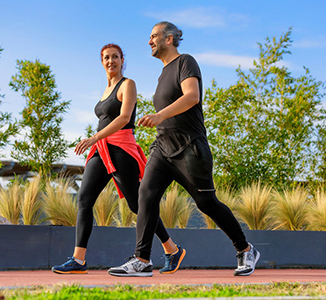


As spring arrives in Houston, more people are heading outdoors to run, walk, and exercise. With the increase in activity, knee pain becomes one of the most common complaints among runners and active adults.
Many Houston athletes notice discomfort in the front of the knee after starting a new running routine or increasing their workout intensity.
Understanding the causes of knee pain and addressing it early can help prevent small issues from turning into long-term injuries.
Why Knee Pain Is Common When Activity Increases
The knee joint absorbs significant stress during running, jumping, and directional movements.
When someone suddenly increases training volume or intensity, the muscles and tendons surrounding the knee may not be prepared for the added load.
This is especially common during the spring months in Houston when people transition from indoor workouts to outdoor activities such as running trails, training for races, or participating in recreational sports leagues.
Common Causes of Knee Pain in Runners and Active Adults
Patellofemoral Pain Syndrome (Runner’s Knee)
One of the most common causes of knee pain is patellofemoral pain syndrome, often called “runner’s knee.”
This condition occurs when the kneecap does not track properly during movement, causing irritation and inflammation.
Typical symptoms include:
- Pain in the front of the knee
- Discomfort when going up or down stairs
- Pain after prolonged sitting
- Knee soreness during or after running
Weak hip and glute muscles are often a contributing factor.
Patellar Tendinitis (Jumper’s Knee)
Patellar tendinitis occurs when the tendon connecting the kneecap to the shinbone becomes irritated from repetitive stress.
This injury is frequently seen in runners, basketball players, and athletes who perform repetitive jumping or sprinting movements.
Symptoms may include pain just below the kneecap and stiffness during activity.
Iliotibial (IT) Band Syndrome
IT band syndrome is another common cause of knee pain in runners.
The iliotibial band is a thick band of tissue that runs along the outside of the thigh. When it becomes tight or inflamed, it can cause sharp pain along the outer knee during running or cycling.
Risk Factors for Knee Pain
Several factors increase the likelihood of developing knee pain when exercising:
- Sudden increases in training intensity or mileage
- Weak hip and glute muscles
- Poor running mechanics
- Inadequate warm-up before activity
- Running on hard surfaces without proper conditioning
Houston’s warm climate can also encourage athletes to increase activity quickly, which may overload the knee joint.
What Actually Works for Treating Knee Pain
The most effective treatment focuses on correcting the underlying cause rather than simply masking the pain.
Helpful strategies include:
- Activity modification to reduce stress on the knee
- Strengthening the hips, glutes, and core
- Improving mobility and flexibility
- Addressing running mechanics
- Guided rehabilitation programs
Early sports medicine evaluation can help identify the exact cause of knee pain and create a treatment plan that allows athletes to return to activity safely.
Keep Moving Without Knee Pain
Knee pain does not have to sideline your workouts or running goals.
With proper evaluation and targeted treatment, most knee injuries can be managed without surgery.
If you are experiencing knee pain while running or exercising in Houston, early evaluation can help prevent the problem from worsening and get you back to the activities you enjoy.
Dr Javier Rios MD is Houston’s Nonsurgical Orthopedic and Sports MD.


