



MOVE Method Series – Week 2
If you’re living with arthritis pain, one of the biggest misconceptions is that you should rest the joint as much as possible.
While short-term rest can help during flare-ups, too much inactivity often makes arthritis worse, not better.
This is the second part of our MOVE Method series: “M” — Motion and Muscle is Medicine.
The truth is simple: your joints were designed to move.
When joints stay still for long periods, they become stiff, surrounding muscles weaken, and pain often increases.
The right kind of movement can be one of the most powerful “medicines” for arthritis.
Why Movement Helps Arthritis
Healthy joint movement helps:
- improve circulation
- lubricate the joint
- reduce stiffness
- improve flexibility
- decrease pain signals
- maintain function
Inside your joints is fluid called synovial fluid, which acts like natural lubrication.
Movement helps circulate this fluid, almost like “oil” for the joint.
That’s why many patients tell me:
“Doctor, I’m always more stiff when I first get up.”
This is classic arthritis stiffness.
Once they start moving, they often begin to feel better.
Muscle Protects the Joint
This is where the second half of the “M” becomes critical:
Muscle is medicine.
Strong muscles act like a protective brace around painful joints.
For example:
- strong quadriceps muscles protect the knees
- strong glutes and core muscles protect the hips and low back
- strong rotator cuff muscles support the shoulder
When muscles weaken, more stress is transferred directly to the joint surfaces.
This often leads to worsening pain.
In many cases, arthritis pain improves significantly when patients begin a simple strengthening routine.
Start Small and Stay Consistent
You do not need intense workouts.
The key is consistent daily movement.
I often recommend starting with:
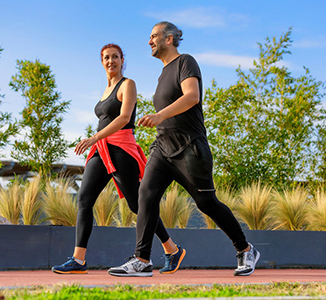
- 10–15 minutes of walking
- chair squats
- gentle stretching
- band exercises
- light resistance training
- pool exercises if available
Even 5–10 minutes daily can make a difference.
Consistency matters more than intensity.
My Clinical Advice
One of the most effective strategies I recommend is:
“Motion before medication.”
Before reaching for pain medicine, try a short walk, stretching session, or mobility exercise.
Many patients notice their pain decreases naturally.
This is one of the foundational pillars of the MOVE Method.
Ready for the Next Step?
In Blog 3, we’ll dive into the “O” — Optimize Nutrition and Hydration, and how inflammation, protein intake, and hydration directly impact arthritis pain.
If joint pain is limiting your activity, schedule an appointment today.
Dr Javier Rios MD is Houston’s Nonsurgical Orthopedic and Sports MD.


