

Accessibility Tools

Helping You Stay Active Without Surgery

active people walking

Expert Orthopedic & Sports Medicine Insights from Dr. Javier Rios, MD

Supporting active individuals throughout Houston with trusted information on knee pain, arthritis, sports injuries, fracture care, shockwave therapy, regenerative orthopedics, and non-surgical treatment options.

MOST POPULAR ARTICLES

Can You Avoid Knee Replacement?

Not everyone with knee arthritis needs surgery. In fact, many people can stay active for years by focusing on what we call knee preservation, a strategy designed to reduce pain, improve function, and help you maintain your lifestyle while delaying or potentially avoiding knee replacement surgery. Read more

Common Cause of Heel Pain

Not everyone with knee arthritis needs surgery. In fact, many people can stay active for years by focusing on what we call knee preservation, a strategy designed to reduce pain, improve function, and help you maintain your lifestyle while delaying or potentially avoiding knee replacement surgery. Read more

10 Signs of Knee Arthritis

Arthritis is a disease that causes pain, swelling and stiffness in your joints. It can affect the largest and strongest joints in your body. It’s common in knees. Arthritis of the knee can be a serious, debilitating disease. Read more

What is a Primary Care Sports Medicine Physician?

Primary care sports medicine is the medical subspecialty that focuses exclusively on the diagnosis, management and treatment of musculoskeletal injuries and disorders. Sports medicine physicians are highly trained and capable of treating a wide variety of orthopedic conditions, whether they stem from an acute injury, chronic overuse, or normal wear and tear on the muscles and joints of the body. Read more

Houston Sports Injury Tracker

A dedicated sports medicine education hub featuring physician-reviewed injury analysis involving Houston's professional, collegiate, and youth athletes.

Each article focuses on understanding injuries, recovery timelines, rehabilitation strategies, return-to-play decisions, and the latest non-surgical treatment options. Designed for athletes, parents, coaches, and active individuals, this section leverages Dr. Javier Rios' expertise in sports medicine to explain the medical side of sports injuries in an easy-to-understand format.

Houston Astros Injury Updates

Baseball Injury Analysis & Recovery Insights

Explore sports medicine perspectives on shoulder injuries, elbow injuries, oblique strains, hamstring injuries, and other common baseball-related conditions. Articles explain injury mechanisms, rehabilitation protocols, expected recovery timelines, and factors that influence an athlete's return to competition.

Houston Texans Injury Updates

Football Injury Recovery & Return-to-Play Education

Learn about ACL tears, MCL injuries, high ankle sprains, hamstring strains, shoulder instability, and concussion management. Each article provides insight into diagnosis, treatment options, rehabilitation milestones, and return-to-play considerations commonly encountered in football.

Houston Rockets Injury Updates

Basketball Injury Rehabilitation & Performance Recovery

Educational content covering ankle sprains, knee injuries, stress fractures, muscle strains, and overuse injuries affecting basketball players. Readers gain a better understanding of injury recovery, rehabilitation progression, and strategies used to restore athletic performance.

Houston Dynamo Injury Updates

Soccer Injury Treatment & Recovery Timelines

Discover sports medicine explanations of ACL injuries, groin strains, hamstring injuries, ankle sprains, and other soccer-related conditions. Articles discuss rehabilitation programs, injury prevention, and the decision-making process behind safe return to play.

University of Houston Athletic Injuries

Collegiate Sports Medicine Education

Analysis of injuries affecting college athletes across multiple sports. Topics include overuse injuries, ligament tears, stress reactions, concussion protocols, rehabilitation strategies, and the unique physical demands placed on collegiate competitors.

Houston-Area High School Sports Injuries

Youth Athlete Injury Prevention & Recovery

Resources for parents, coaches, and student-athletes covering growth plate injuries, overuse syndromes, stress fractures, ACL tears, shoulder injuries, and concussion management. Articles focus on early recognition, proper treatment, safe recovery, and long-term athletic development.

MEET DR. JAVIER RIOS, MD

Dr. Javier Rios, MD is a Board-Certified Sports Medicine Physician serving Houston-area patients since 2009.

Specializing in:

Click here to Read More

Ready to Get Back to Doing What You Love?

Dr. Javier Rios, MD

Schedule an appointment with Dr. Javier Rios, MD for expert non-surgical orthopedic and sports medicine care.

Helping You Stay Active Without Surgery

Latest Blogs

Little Leaguer's Elbow : Common cause of Elbow Pain in Throwing Sports
Little Leaguer's Elbow : Common cause of  Elbow Pain in Throwing Sports

Is elbow pain normal after throwing?

How do I stop my elbow from hurting after throwing a softball or baseball?
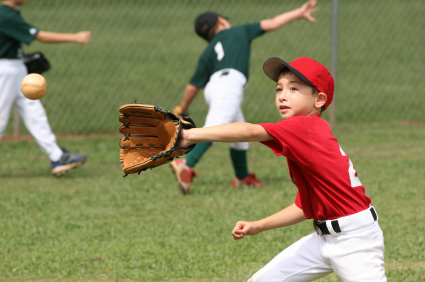
With the start of the baseball season each spring, we frequently see an increase in elbow problems in young baseball and softball players.

A common elbow problem in these children is Little Leaguer’s Elbow, also known as: Medial Apophysitis. This injury occurs when repetitive throwing creates an excessively strong pull on the tendons and ligaments of the elbow.

Fortunately, treatment for this condition is done predominately through rest, unless it is severe. If severe, then your child may need surgery.

ELBOW ANATOMY

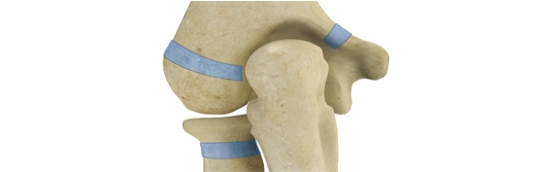
Your elbow joint is a joint made up of three bones: your upper arm bone (humerus) and the two bones in your forearm (radius and ulna). Muscles, ligaments, and tendons hold the elbow joint together.

The elbow is both a hinge and a pivot joint. The hinge part of the joint lets the arm bend like the hinge of a door; the pivot part allows the lower arm to twist and rotate. Several muscles, nerves, and tendons (connective tissues between muscles and bones) cross at the elbow.

What is little leaguer’s elbow?

Little Leaguer’s Elbow, or Medial Apophysitis, is the most common injury that affects young athletes, specifically baseball pitchers, whose bones are still growing.

This condition is caused by overusing the elbow and mainly affects young athletes. When children first begin playing a sport, they often use improper techniques. This can put stress on the arm’s growth plate, causing it to become inflamed and irritated. In severe cases, the growth plate may actually break away from the arm.

Children who are between the ages of 9 and 14 and play a sport that involves throwing (softball, baseball, etc.) are the most commonly affected. For this reason, medial apophysitis is also known as “Little Leaguer’s Elbow.”

2 to 4 percent of baseball players experience overuse injuries related to the sport, such as Little Leaguer’s Elbow. The number jumps to 20 to 40 percent in children ages 9-12 years old and to 30 to 50 percent in adolescents.

SYMPTOMS of little leaguer’s elbow

The main symptoms of medial apophysitis are pain on the inner side of the elbow when throwing a ball. This pain may also be accompanied by swelling and difficulty extending the elbow, preventing one from throwing a ball as fast or as accurately as they once could.

DIAGNOSIS

We will look at your child’s symptoms and pitching history, followed by a physical examination. During the exam, we will check your child’s range of motion. In some cases, further testing is necessary to rule out other conditions:

·       X-ray. X-rays produce images of the structures inside the body, particularly the bones.

·       Magnetic Resonance Imaging (MRI). MRI scans use a strong magnetic field and radio waves to create detailed images of the organs and tissues within the body.

TREATMENT OVERVIEW

There are nonsurgical treatments available to help treat medial apophysitis. Typically, this injury is treated just with nonsurgical treatment. But if it is severe, surgery may be necessary. If left untreated, throwing injuries in the elbow can become complicated conditions.

NONSURGICAL TREATMENTS

Typically, younger children respond best to nonsurgical treatments. These treatments include:

·       Rest. Continuing to use the elbow can potentially lead to significant complications and jeopardize a child’s ability to remain active in a sport that requires throwing. If pain persists after a few days of complete rest, or if pain recurs when throwing is resumed, stop the activity again.

·       Ice. Icing the elbow can help bring down any swelling.

·       Refine the throwing technique. The main reason this injury occurs is because of improper throwing technique. When the technique improves, the chance of injury greatly decreases.

CONTACT US

If your athlete is suffering from elbow pain, Dr. Javier Rios can work on finding the nonsurgical solution to get them back to sports without elbow pain. Contact us

Proudly Serving Patients ThroughoutHouston and Surrounding Communities

Conveniently located in Webster and serving active adults, athletes, and families across the Greater Houston area.

Location

905 W. Medical Center BlvdSuite 201
Webster, TX 77598