



Accessibility Tools

Helping You Stay Active Without Surgery

active people walking

Expert Orthopedic & Sports Medicine Insights from Dr. Javier Rios, MD

Supporting active individuals throughout Houston with trusted information on knee pain, arthritis, sports injuries, fracture care, shockwave therapy, regenerative orthopedics, and non-surgical treatment options.

MOST POPULAR ARTICLES

Can You Avoid Knee Replacement?

Not everyone with knee arthritis needs surgery. In fact, many people can stay active for years by focusing on what we call knee preservation, a strategy designed to reduce pain, improve function, and help you maintain your lifestyle while delaying or potentially avoiding knee replacement surgery. Read more

Common Cause of Heel Pain

Not everyone with knee arthritis needs surgery. In fact, many people can stay active for years by focusing on what we call knee preservation, a strategy designed to reduce pain, improve function, and help you maintain your lifestyle while delaying or potentially avoiding knee replacement surgery. Read more

10 Signs of Knee Arthritis

Arthritis is a disease that causes pain, swelling and stiffness in your joints. It can affect the largest and strongest joints in your body. It’s common in knees. Arthritis of the knee can be a serious, debilitating disease. Read more

What is a Primary Care Sports Medicine Physician?

Primary care sports medicine is the medical subspecialty that focuses exclusively on the diagnosis, management and treatment of musculoskeletal injuries and disorders. Sports medicine physicians are highly trained and capable of treating a wide variety of orthopedic conditions, whether they stem from an acute injury, chronic overuse, or normal wear and tear on the muscles and joints of the body. Read more

Houston Sports Injury Tracker

A dedicated sports medicine education hub featuring physician-reviewed injury analysis involving Houston's professional, collegiate, and youth athletes.

Each article focuses on understanding injuries, recovery timelines, rehabilitation strategies, return-to-play decisions, and the latest non-surgical treatment options. Designed for athletes, parents, coaches, and active individuals, this section leverages Dr. Javier Rios' expertise in sports medicine to explain the medical side of sports injuries in an easy-to-understand format.

Houston Astros Injury Updates

Baseball Injury Analysis & Recovery Insights

Explore sports medicine perspectives on shoulder injuries, elbow injuries, oblique strains, hamstring injuries, and other common baseball-related conditions. Articles explain injury mechanisms, rehabilitation protocols, expected recovery timelines, and factors that influence an athlete's return to competition.

Houston Texans Injury Updates

Football Injury Recovery & Return-to-Play Education

Learn about ACL tears, MCL injuries, high ankle sprains, hamstring strains, shoulder instability, and concussion management. Each article provides insight into diagnosis, treatment options, rehabilitation milestones, and return-to-play considerations commonly encountered in football.

Houston Rockets Injury Updates

Basketball Injury Rehabilitation & Performance Recovery

Educational content covering ankle sprains, knee injuries, stress fractures, muscle strains, and overuse injuries affecting basketball players. Readers gain a better understanding of injury recovery, rehabilitation progression, and strategies used to restore athletic performance.

Houston Dynamo Injury Updates

Soccer Injury Treatment & Recovery Timelines

Discover sports medicine explanations of ACL injuries, groin strains, hamstring injuries, ankle sprains, and other soccer-related conditions. Articles discuss rehabilitation programs, injury prevention, and the decision-making process behind safe return to play.

University of Houston Athletic Injuries

Collegiate Sports Medicine Education

Analysis of injuries affecting college athletes across multiple sports. Topics include overuse injuries, ligament tears, stress reactions, concussion protocols, rehabilitation strategies, and the unique physical demands placed on collegiate competitors.

Houston-Area High School Sports Injuries

Youth Athlete Injury Prevention & Recovery

Resources for parents, coaches, and student-athletes covering growth plate injuries, overuse syndromes, stress fractures, ACL tears, shoulder injuries, and concussion management. Articles focus on early recognition, proper treatment, safe recovery, and long-term athletic development.

MEET DR. JAVIER RIOS, MD

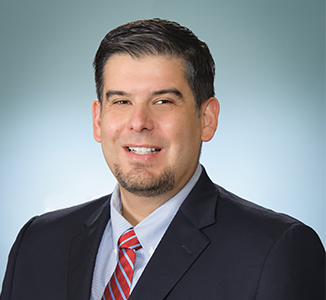
Dr. Javier Rios, MD is a Board-Certified Sports Medicine Physician serving Houston-area patients since 2009.

Specializing in:

Click here to Read More

Ready to Get Back to Doing What You Love?

Dr. Javier Rios, MD

Schedule an appointment with Dr. Javier Rios, MD for expert non-surgical orthopedic and sports medicine care.

Helping You Stay Active Without Surgery

Latest Blogs

The Dangerous Myth of 'No Pain, No Gain' in High School Football

In the world of high school football, where toughness and resilience are celebrated, a dangerous myth often prevails: "No Pain, No Gain." This belief, ingrained in the minds of many young athletes, can lead to severe consequences, both physically and mentally. At our sports medicine practice, we frequently encounter athletes who have pushed themselves to the brink, all in the name of proving their toughness. Let’s explore why this mindset is harmful and how we can help change the narrative.

The Cultural Reinforcement of "No Pain, No Gain"

High school football is a sport that thrives on competition, and the pressure to perform is immense. Coaches, parents, and even teammates may unknowingly reinforce the idea that enduring pain is synonymous with strength and commitment.

  • Coaches and Role Models: From a young age, athletes are often taught by coaches or parents that pain is simply part of the game. They watch professional athletes play through injuries and are encouraged to emulate this behavior, equating pain with progress and success.
  • Locker Room Mentality: Within the team environment, there’s often an unspoken pressure to "tough it out." Admitting to pain or requesting a break might be perceived as weakness or as letting the team down. This culture of silence can be incredibly detrimental.

Ignoring Warning Signs

One of the most significant dangers of the "No Pain, No Gain" mentality is the tendency to ignore early warning signs of injury.

  • Misinterpreting Pain: Athletes may struggle to distinguish between normal post-workout soreness and pain that signals an injury. While muscle soreness is expected after a hard practice, sharp or persistent pain, especially in joints or specific muscle groups, could indicate a serious issue, such as a ligament tear or stress fracture. However, the mindset of pushing through can lead athletes to ignore these important distinctions.
  • Delayed Treatment: The reluctance to address pain early on can result in delayed medical attention. What starts as a minor injury—like a small strain or sprain—can worsen over time, leading to more severe conditions that require extended recovery periods or even surgery.

The Risk of Chronic Injuries

Playing through pain doesn’t just risk exacerbating the current injury; it can also lead to long-term complications.

  • Compensatory Movements: To avoid discomfort, athletes may unknowingly change how they move, placing stress on other parts of their bodies. This compensation can result in secondary injuries, such as overuse injuries in the knees, hips, or lower back.
  • Long-Term Damage: Repeatedly ignoring pain can lead to chronic injuries. For example, continuing to play despite early signs of a concussion can result in second-impact syndrome—a potentially life-threatening condition that can cause long-term neurological damage.

The Mental and Emotional Toll

The psychological impact of the "No Pain, No Gain" mentality can be just as harmful as the physical consequences.

  • Psychological Pressure: Athletes may experience significant mental stress as they push through pain, fearing that acknowledging their discomfort might lead to losing their spot on the team or disappointing their coaches and peers. This pressure can take a toll on their overall well-being.
  • Burnout: The relentless drive to push through pain can lead to burnout. Athletes who constantly battle injuries may lose their love for the sport, becoming exhausted and demotivated. This can lead to them quitting the sport entirely, which is a loss for both the individual and the team.

Changing the Narrative: A Call for Education and Prevention

At CLS sports medicine, Dr. Rios is committed to changing the "No Pain, No Gain" narrative.

Here’s how we can work together to protect the health and future of our athletes:

  • Education: We need to educate athletes, coaches, and parents about the difference between healthy exertion and harmful pain. By teaching young athletes to listen to their bodies, recognize early warning signs of injury, and seek appropriate treatment, we can prevent minor issues from escalating.
  • Supportive Environment: Creating a culture where athletes feel comfortable speaking up about pain without fear of stigma or repercussions is essential. Coaches should reinforce the idea that taking care of one’s body is crucial for long-term success, rather than glorifying the idea of pushing through pain.
  • Comprehensive Care: At CLS Sports Medicine, Dr. Rios and his staff offer comprehensive evaluations and individualized treatment plans for injured athletes. We focus not only on healing current injuries but also on preventing future ones, ensuring that athletes can return to their sport stronger and healthier.

The "No Pain, No Gain" mentality is more than just a harmful belief—it’s a dangerous myth that puts the health and futures of young athletes at risk. By addressing this mindset head-on through education, support, and a focus on injury prevention, we can help athletes perform at their best while protecting their long-term well-being.

If you or someone you know is struggling with an injury, don’t hesitate to reach out to us.

We’re here to help you play smart, stay healthy, and succeed on and off the field.

Proudly Serving Patients ThroughoutHouston and Surrounding Communities

Conveniently located in Webster and serving active adults, athletes, and families across the Greater Houston area.

Location

905 W. Medical Center BlvdSuite 201
Webster, TX 77598