


Accessibility Tools

Helping You Stay Active Without Surgery

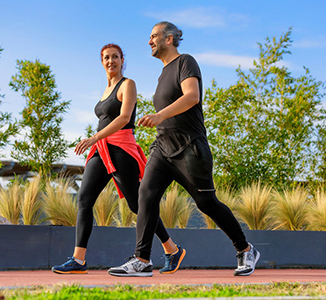
active people walking

Expert Orthopedic & Sports Medicine Insights from Dr. Javier Rios, MD

Supporting active individuals throughout Houston with trusted information on knee pain, arthritis, sports injuries, fracture care, shockwave therapy, regenerative orthopedics, and non-surgical treatment options.

MOST POPULAR ARTICLES

Can You Avoid Knee Replacement?

Not everyone with knee arthritis needs surgery. In fact, many people can stay active for years by focusing on what we call knee preservation, a strategy designed to reduce pain, improve function, and help you maintain your lifestyle while delaying or potentially avoiding knee replacement surgery. Read more

Common Cause of Heel Pain

Not everyone with knee arthritis needs surgery. In fact, many people can stay active for years by focusing on what we call knee preservation, a strategy designed to reduce pain, improve function, and help you maintain your lifestyle while delaying or potentially avoiding knee replacement surgery. Read more

10 Signs of Knee Arthritis

Arthritis is a disease that causes pain, swelling and stiffness in your joints. It can affect the largest and strongest joints in your body. It’s common in knees. Arthritis of the knee can be a serious, debilitating disease. Read more

What is a Primary Care Sports Medicine Physician?

Primary care sports medicine is the medical subspecialty that focuses exclusively on the diagnosis, management and treatment of musculoskeletal injuries and disorders. Sports medicine physicians are highly trained and capable of treating a wide variety of orthopedic conditions, whether they stem from an acute injury, chronic overuse, or normal wear and tear on the muscles and joints of the body. Read more

Houston Sports Injury Tracker

A dedicated sports medicine education hub featuring physician-reviewed injury analysis involving Houston's professional, collegiate, and youth athletes.

Each article focuses on understanding injuries, recovery timelines, rehabilitation strategies, return-to-play decisions, and the latest non-surgical treatment options. Designed for athletes, parents, coaches, and active individuals, this section leverages Dr. Javier Rios' expertise in sports medicine to explain the medical side of sports injuries in an easy-to-understand format.

Houston Astros Injury Updates

Baseball Injury Analysis & Recovery Insights

Explore sports medicine perspectives on shoulder injuries, elbow injuries, oblique strains, hamstring injuries, and other common baseball-related conditions. Articles explain injury mechanisms, rehabilitation protocols, expected recovery timelines, and factors that influence an athlete's return to competition.

Houston Texans Injury Updates

Football Injury Recovery & Return-to-Play Education

Learn about ACL tears, MCL injuries, high ankle sprains, hamstring strains, shoulder instability, and concussion management. Each article provides insight into diagnosis, treatment options, rehabilitation milestones, and return-to-play considerations commonly encountered in football.

Houston Rockets Injury Updates

Basketball Injury Rehabilitation & Performance Recovery

Educational content covering ankle sprains, knee injuries, stress fractures, muscle strains, and overuse injuries affecting basketball players. Readers gain a better understanding of injury recovery, rehabilitation progression, and strategies used to restore athletic performance.

Houston Dynamo Injury Updates

Soccer Injury Treatment & Recovery Timelines

Discover sports medicine explanations of ACL injuries, groin strains, hamstring injuries, ankle sprains, and other soccer-related conditions. Articles discuss rehabilitation programs, injury prevention, and the decision-making process behind safe return to play.

University of Houston Athletic Injuries

Collegiate Sports Medicine Education

Analysis of injuries affecting college athletes across multiple sports. Topics include overuse injuries, ligament tears, stress reactions, concussion protocols, rehabilitation strategies, and the unique physical demands placed on collegiate competitors.

Houston-Area High School Sports Injuries

Youth Athlete Injury Prevention & Recovery

Resources for parents, coaches, and student-athletes covering growth plate injuries, overuse syndromes, stress fractures, ACL tears, shoulder injuries, and concussion management. Articles focus on early recognition, proper treatment, safe recovery, and long-term athletic development.

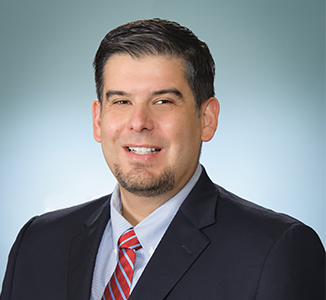
MEET DR. JAVIER RIOS, MD

Dr. Javier Rios, MD is a Board-Certified Sports Medicine Physician serving Houston-area patients since 2009.

Specializing in:

Click here to Read More

Ready to Get Back to Doing What You Love?

Dr. Javier Rios, MD

Schedule an appointment with Dr. Javier Rios, MD for expert non-surgical orthopedic and sports medicine care.

Helping You Stay Active Without Surgery

Latest Blogs

Common Overuse Injuries in Runners and How to Prevent Them

Running is one of the most popular forms of exercise in Houston, with countless trails, parks, and running groups dedicated to the sport.

However, frequent running, especially without proper training and recovery, can lead to overuse injuries that sideline even the most dedicated athletes.

At CLS Health Sports Medicine in Houston, Nonsurgical Orthopedics and Sports Medicine Specialist, Javier Rios MD, helps runners stay injury-free so you can enjoy the sport you love.

In this article, we will discuss the most common overuse injuries in runners and provide practical tips to prevent them.

Top 5 Overuse Injuries in Runners

  1. Runner's Knee (Patellofemoral Pain Syndrome)
    What It Is: Pain around or behind the kneecap, often worsened by downhill running or prolonged sitting.
    Causes: Weak quadriceps, poor running mechanics, or overuse.
    Prevention: Strengthen the quadriceps, hamstrings, and glutes to improve knee stability. Incorporate cross-training activities like cycling or swimming to reduce repetitive stress on the knees.
  2. Shin Splints (Medial Tibial Stress Syndrome)
    What It Is: Pain along the inner shinbone, common in new or increasing-distance runners.
    Causes: Sudden increases in mileage, improper footwear, or running on hard surfaces.
    Prevention: Gradually increase training intensity (no more than 10% per week). Invest in proper running shoes and avoid excessive running on concrete. Houston runners should take advantage of trails like Memorial Park for softer surfaces.
  3. Achilles Tendinitis
    What It Is: Inflammation of the Achilles tendon, leading to stiffness and pain near the back of the heel.
    Causes: Overuse, tight calf muscles, or improper footwear.
    Prevention: Regular calf stretching and strengthening can prevent excessive strain on the Achilles. Avoid sudden changes in speed or incline when running.
  4. Plantar Fasciitis
    What It Is: Sharp heel pain caused by inflammation of the plantar fascia, a band of tissue supporting the arch.
    Causes: Overuse, tight calves, high arches, or unsupportive footwear.
    Prevention: Wear arch-supportive shoes and stretch the calves and foot arch daily. Runners in Houston should be cautious of hot pavement, as excessive heat can contribute to foot fatigue.
  5. IT Band Syndrome (Iliotibial Band Syndrome)
    What It Is: Pain on the outside of the knee and hip, caused by irritation of the iliotibial (IT) band.
    Causes: Weak hip muscles, excessive downhill running, or poor running form.
    Prevention: Strengthen the glutes and hip abductors to reduce strain on the IT band. Foam rolling can also help keep the IT band flexible.

How to Prevent Overuse Injuries in Runners

  1. Follow a Smart Training Plan
    Increase mileage gradually (no more than 10% per week).
    Schedule rest days to allow muscles and joints to recover.
    Cross-train with swimming, cycling, or strength training to reduce repetitive impact.
  2. Choose the Right Running Shoes
    Get fitted at a specialty running store for shoes that match your foot type.
    Replace running shoes every 300 to 500 miles to maintain proper support.
    Consider orthotics if you have high or flat arches.
  3. Strengthen and Stretch Key Muscles
    Incorporate glute, core, and leg exercises to improve stability.
    Stretch calves, hamstrings, quads, and hip flexors after every run.
    Use a foam roller to prevent tightness and improve flexibility.
  4. Listen to Your Body
    Don't ignore pain as mild discomfort can quickly turn into a serious injury.
    Modify your training when experiencing persistent soreness.
    Seek help from Houston's Sports Doctor, Dr. Javier Rios MD, if pain lasts more than a few days.
  5. Stay Hydrated and Mind the Houston Heat
    Running in Houston's humid climate increases the risk of dehydration and fatigue.
    Drink plenty of water and electrolyte-rich fluids to prevent cramping.
    Run early in the morning or in shaded areas like Buffalo Bayou Park to avoid peak heat.

Overuse injuries are common in runners, but they are preventable with proper training, stretching, and recovery. Whether you're training for the Houston Marathon or enjoying recreational runs, taking care of your body is key to staying injury-free.

At CLS Health Sports Medicine in Houston, Dr. Javier Rios specializes in treating running injuries and developing personalized injury prevention plans for athletes of all levels.

Experiencing pain or discomfort while running?

Schedule an appointment with Houston's Sports Doctor: Dr. Javier Rios at CLS Health Sports Medicine today!

Let Javier Rios MD help you stay on track and injury-free.

Proudly Serving Patients ThroughoutHouston and Surrounding Communities

Conveniently located in Webster and serving active adults, athletes, and families across the Greater Houston area.

Location

905 W. Medical Center BlvdSuite 201
Webster, TX 77598